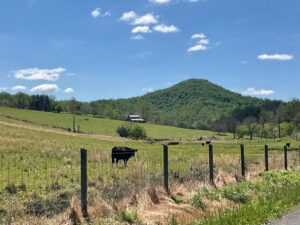
Rappahannock is rural in a way the rest of Northern Virginia has stopped being. No traffic lights in the entire county. The county seat — “Little Washington” — has fewer than 150 residents. Most homes are on wells and septics, many are log or stone, and the nearest big-box hardware store might be 40 minutes from where you’re standing.
Not every home inspector covers Rappahannock. I do. I live and work in Warrenton, which is about 35 minutes from Sperryville on a good day, and I’m in Rappahannock on inspections every month. If you’re buying in Sperryville, Washington, Flint Hill, or anywhere up against the Shenandoah foothills — yes, I come to you.
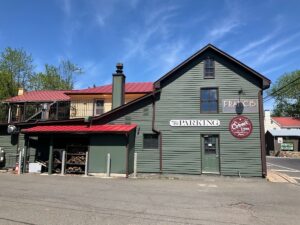
Log homes. Rappahannock has the highest concentration of log-construction homes in my service area, both historic hand-hewn and modern milled-log builds. Each type has its own failure patterns. Chinking condition, log moisture, settlement, insect damage, roof drainage onto wall logs — these are all separate inspection items, not a single line that says “log appears serviceable.”
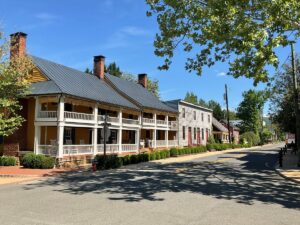
Stone homes around Sperryville and Washington. Limestone and fieldstone construction, often dating to the early-to-mid 1800s. Original lime mortar, irregular wall thicknesses, sometimes hand-hewn structural members visible from the interior. These are beautiful homes that demand a masonry-literate inspection.
Rural farmhouses. 1880-1940 frame on stone foundations, often with significant additions, sometimes with the original kitchen building still standing as a separate outbuilding. Slate, standing-seam metal, or asphalt-over-original-cedar-shake roofs. Wells, springs, and septics — sometimes all three on one property.
Modern country homes. A growing share of Rappahannock inventory — homes built in the 1980s-2010s on multi-acre lots, designed for weekend or retirement use, now in transition to year-round ownership.
Cottages and weekend homes. Properties built modest, often near streams or with mountain views, now being either expanded for full-time use or sold to a new generation of buyers. The conversion from seasonal to year-round use is where most of the inspection issues live.
Log moisture and chinking failures. Logs are organic material; they want to absorb water and they want to be eaten by insects. The chinking between logs is the seal that prevents both — and chinking on a 40-year-old log home is usually due for renewal. I walk you through what’s normal vs. what’s an active problem.
Wells. Rappahannock has more well variety than any county I work. Drilled wells in hard rock, dug wells from a century ago, springs piped to the house. I inspect the visible components, run a flow and recovery test where I can, and recommend water quality testing on every rural property.
Septic systems. Rappahannock septic systems can be 30, 50, even 70 years old in some properties. The drain field is the critical component, and signs of failure (soggy ground, slow drains, odors) are sometimes seasonal. I refer to a licensed septic contractor for the actual tank-and-field inspection — but I’ll flag every conducive condition I see.
Wood stoves and primary fireplaces. In Rappahannock, wood heat is often the primary heat source — not a backup. Chimney and flue condition matters enormously. My masonry background means I actually inspect the chimney, not just glance at it from the yard.
Radon. Western Rappahannock sits on Blue Ridge foothill geology that produces elevated radon levels. I strongly recommend a 48-hour radon test as part of any Rappahannock inspection, particularly for homes with basements or slab-on-grade construction.
Steep, metal, and slate roofs. Several Rappahannock homes have roofs that aren’t safely walkable. I inspect from accessible vantage points, eye-stick camera where the roof is unsafe (with the buyer’s knowledge), and refer to a roofing specialist when the roof type requires it.
Long driveways, culverts, and water crossings. Often part of the “property” in a meaningful way — a failing culvert or eroded driveway can be a significant unexpected expense.
48 hours typical. Travel from Warrenton adds about 35-50 minutes each way, which I account for in scheduling but not in pricing. Weekend availability at no premium.
Rappahannock single-family inspections typically run $400-$575 for standard properties; rural properties with wells, septic considerations, multiple outbuildings, or unusual construction (log, stone) are quoted property-by-property. No travel surcharge within the county. Call (540) 270-2501.
Schedule your Rappahannock inspection → | Or call (540) 270-2501