Buying a home is one of the biggest decisions you’ll ever make, and most buyers feel a little out of their depth walking through a property they’re considering. The good news? You don’t need a professional license to notice some of the most common warning signs. Training your eye to catch these issues early can save you time, money, and heartache — and help you decide which homes are worth a serious look.
Here are ten red flags you can spot on your own, plus why each one matters.
1. Water Stains on Ceilings and Walls
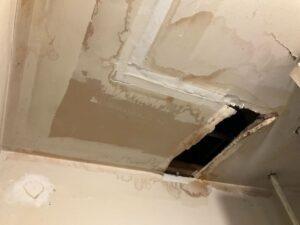
Brown or yellowish stains, especially on ceilings or near windows, are a telltale sign of past or ongoing water intrusion. Even if the area feels dry today, staining can point to a leaky roof, failing plumbing, or poor drainage. Water problems rarely fix themselves, and what you see on the surface is often the smallest part of the issue.
2. Musty or Damp Smells
Trust your nose. A persistent musty odor — particularly in basements, closets, or bathrooms — often signals moisture problems and possible mold growth. Sellers will sometimes mask these smells with air fresheners or candles, so be a little suspicious of a home that smells overwhelmingly “fresh.”
3. Sloping or Uneven Floors
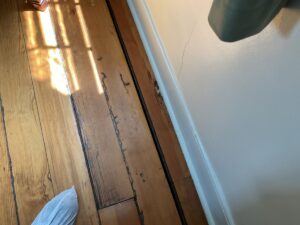
Drop a marble or a small ball on the floor and watch where it rolls. Floors that slope noticeably can indicate foundation settling or structural issues. Not every slope is a crisis — older homes settle over time — but significant unevenness is worth a closer professional look.
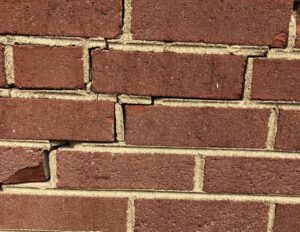
4. Cracks in Walls and Foundations
Hairline cracks are common and usually harmless. But wide cracks (especially anything you could fit a coin into), horizontal cracks, or stair-step cracks in brick and block are more concerning. They can point to foundation movement that’s expensive to address.
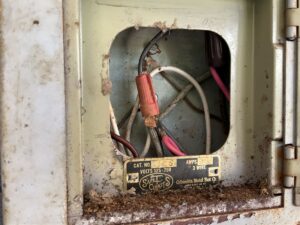
5. DIY or Questionable Electrical Work
Open an electrical panel cover (just the outer door) and look for a tangle of mismatched wires, scorch marks, or amateur-looking modifications. Exposed wiring, outlets that don’t work, or a panel that buzzes or feels warm are all signs of electrical problems that can be both costly and dangerous.
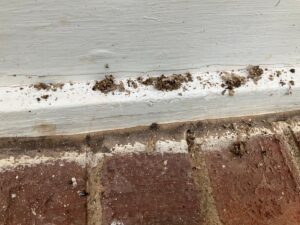
6. Signs of Pests
Look for droppings, gnaw marks, damaged wood, or small piles of what looks like sawdust (a sign of termites or carpenter ants). Pest damage can compromise a home’s structure, and infestations are often more widespread than they first appear.
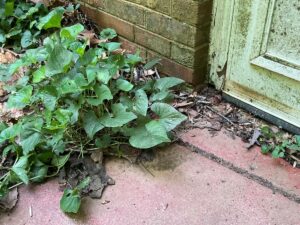
7. Poor Drainage and Grading Around the Home
Walk the perimeter of the house. Does the ground slope toward the foundation instead of away from it? Are there pooling areas after rain? Poor grading sends water toward the home, which can lead to foundation issues, basement flooding, and moisture problems over time.
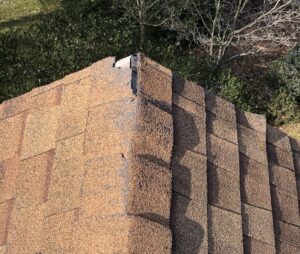
8. An Aging or Damaged Roof
You don’t need to climb up there. From the ground, look for missing, curling, or cracked shingles, sagging rooflines, or moss growth. A roof nearing the end of its life is a major expense, so it’s worth knowing what you might be signing up for.
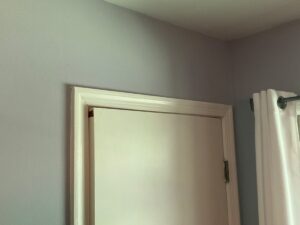
9. Windows and Doors That Stick
Doors and windows that won’t close properly, or that have visible gaps, can be a cosmetic annoyance — or a symptom of foundation movement and shifting framing. Test a few as you walk through. Consistent sticking throughout the house is more telling than a single stubborn door.
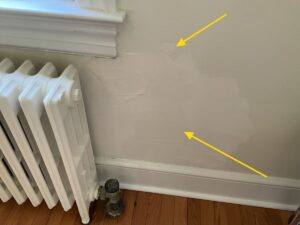
10. Fresh Paint in Odd, Isolated Spots
A freshly painted patch on an otherwise older wall or ceiling can be a simple touch-up — or an attempt to hide stains, cracks, or water damage. It’s not proof of a problem, but it’s a cue to look more carefully at that specific area.
When You See These Signs, Here’s Why a Professional Inspection Matters
Spotting these red flags is a great first step, but it’s only that — a first step. Many serious problems hide behind walls, under floors, and in places an untrained eye will never reach. A small stain might mean a quick fix, or it might mean thousands of dollars in hidden repairs.
A professional home inspector has the tools, training, and experience to tell the difference. We can assess the true scope of an issue, identify problems you’d never notice on your own, and give you a clear, unbiased report so you can make your decision with confidence.
If you’ve spotted any of these warning signs — or even if you just want peace of mind — we’d love to help. Reach out to schedule your inspection and walk into your purchase with your eyes wide open.
Or call (540) 270-2501.
Matt is the owner and inspector at Dogwood Home Inspection in Warrenton, Virginia. He’s InterNACHI certified, Virginia licensed, and spent two decades in the trades — including extensive masonry work — before starting Dogwood. He inspects homes across Fauquier, Loudoun, Prince William, Culpeper, Rappahannock, Madison, and Orange counties.